Tile installation
Tile installation in Atlanta: backsplashes, floors and showers
Tile lasts for decades when what's underneath is right, and cracks within a year when it isn't. We spend as much time on the backer, membrane and layout as on setting the tile itself.
Calls answered 24/7. Crews staged from the Atlanta service office.
- Answered 24/7
- Waterproofed wet areas
- Layout planned before setting
Quick answer
Tile installation in Atlanta starts with the surface underneath: floors must be stiff and flat, shower walls need cement board and a waterproof membrane, and backsplashes need a clean, flat wall. We lay out the tile so cuts land in hidden places, set it with the right thinset, grout and seal it, and finish the paint around it.
Updated September 2026
The job
Tile is a substrate job first
Most cracked tile and loose grout come from the floor or wall moving underneath. We check for flex, level and moisture, and fix them before tile goes down.
Layout is planned on the wall or floor before the first tile is set, so the pattern is centered on the room's focal point and thin slivers of cut tile end up in corners, not doorways.
What moves the price
What moves the price of tile work
- Area and layout
Diagonal and patterned layouts take more cuts than straight lay.
- Tile size
Mosaics and very large format tiles are slower to set.
- Substrate prep
Stiffening floors or rebuilding shower walls adds labor.
- Waterproofing
Showers and wet areas need membrane and sealed seams.
- Old tile removal
Tearing out old tile and mortar takes time.
- Edges and trim
Niches, bullnose and metal trims add detail work.
What we handle
Tile we set
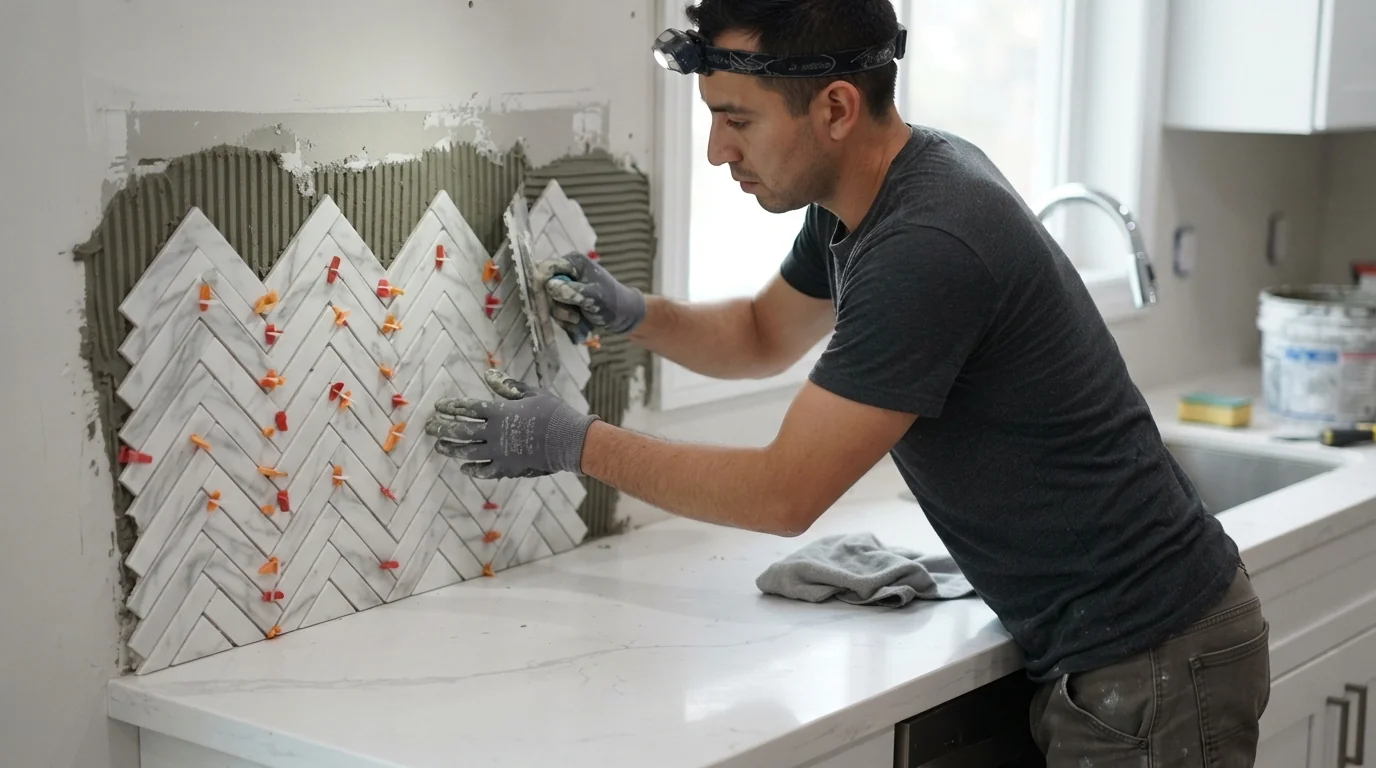
Kitchen backsplash tile
A backsplash is the fastest way to change a kitchen. We remove old tile or prep the drywall, find level and center the pattern on the range or sink, and set tile with spacers so grout lines stay even around outlets and window returns. Outlet boxes are extended so covers sit flush on the new surface. Edges are finished with bullnose tile or a metal trim, and the joint at the countertop is caulked, not grouted, so it can move.
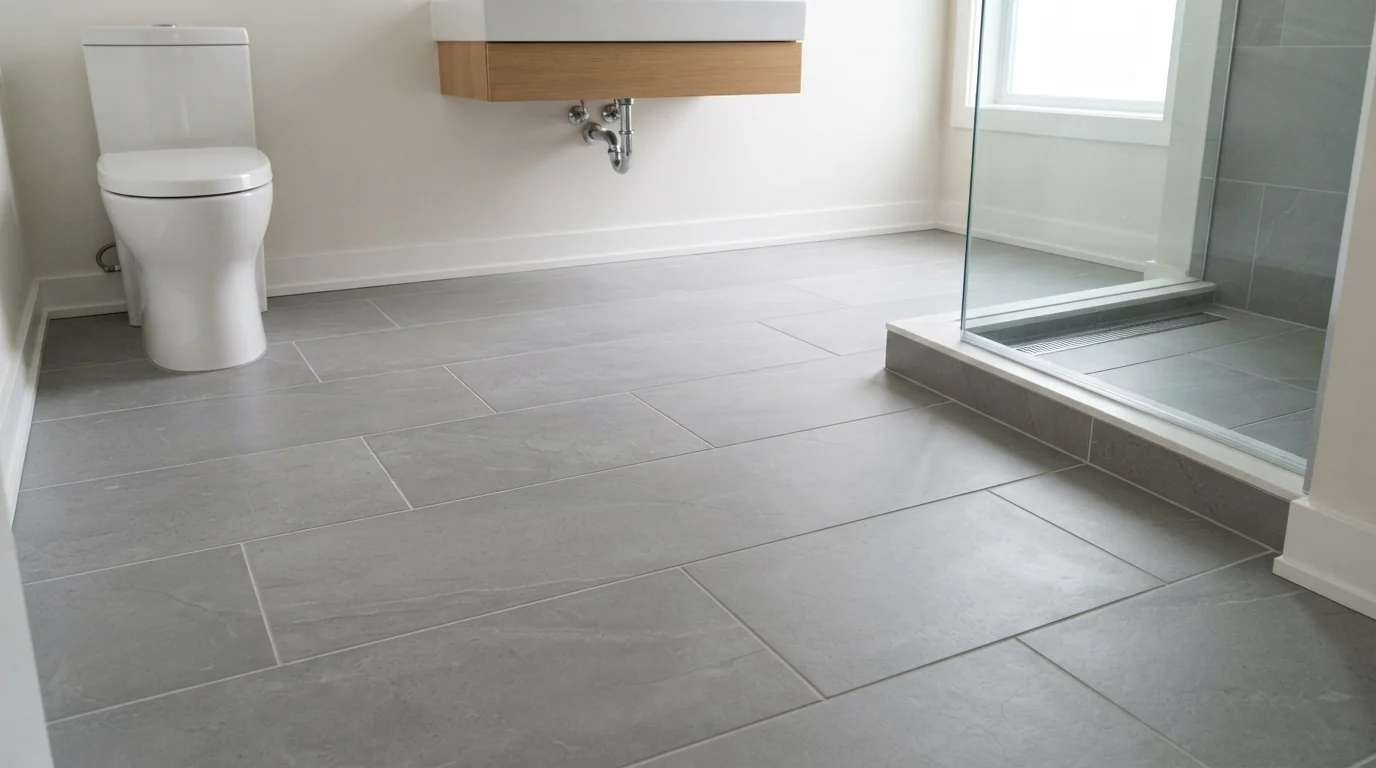
Bathroom floor tile
Bathroom floors see water, weight and temperature change, so the subfloor has to be stiff enough for tile. We screw down loose panels, add cement board or an uncoupling membrane, and check for flatness before setting. Large-format tiles need a flatter floor than small ones and are back-buttered for full coverage. Transitions at doorways and the joint around the tub are finished properly, and the toilet is reset on a new wax ring when the floor is done.
Shower wall tile
Shower walls are waterproofed before any tile goes up: cement board or foam board, taped seams and a membrane over the whole wet area, including the niche and bench. Tile is set from a level ledger so rows run true, and niches are planned so their edges land on full grout lines. Every inside corner and change of plane gets flexible sealant instead of grout. It's the membrane, not the tile or grout, that keeps water out of the wall.
Tile repair and regrout
Cracked tiles, crumbling grout and hollow-sounding spots can often be fixed without retiling a whole room. We cut out broken tiles and set matching replacements, remove failing grout and regrout joints, and replace cracked caulk at tubs and corners. If many tiles are loose or cracking across the floor, the subfloor is likely moving and we'll say so, because regrouting over a moving floor only fixes it for a few months. Spare tiles from your original job are the easiest match, so keep any you find.
Your options
Ceramic, porcelain or stone
The three tile families we set most, and where each fits.
| Tile | Water absorption | Hardness | Best for |
|---|---|---|---|
| Ceramic | Higher | Softer | Backsplashes, walls |
| Porcelain | Very low | Hard | Floors, showers, high traffic |
| Natural stone | Varies, needs sealing | Varies | Feature walls, floors with upkeep |
Around Atlanta
Setting tile in Atlanta houses
Across Atlanta we set tile in two very different kinds of house: older homes on wood-framed floors, where joists and subfloor often need stiffening and an uncoupling membrane before tile will stay put, and homes on concrete slabs or basements, where cracks in the concrete are checked and bridged so they don't travel up through the new floor. Knowing which one we're standing on decides the prep before any tile is chosen.
What is included
What a tile job from us includes
- Removal of old tile and adhesive
- Subfloor or wall repair and stiffening
- Backer board and membranes in wet areas
- Layout centered and planned before setting
- Tile set with the correct thinset
- Grout, sealant at movement joints, grout sealer
- Paint touch-up and cleanup
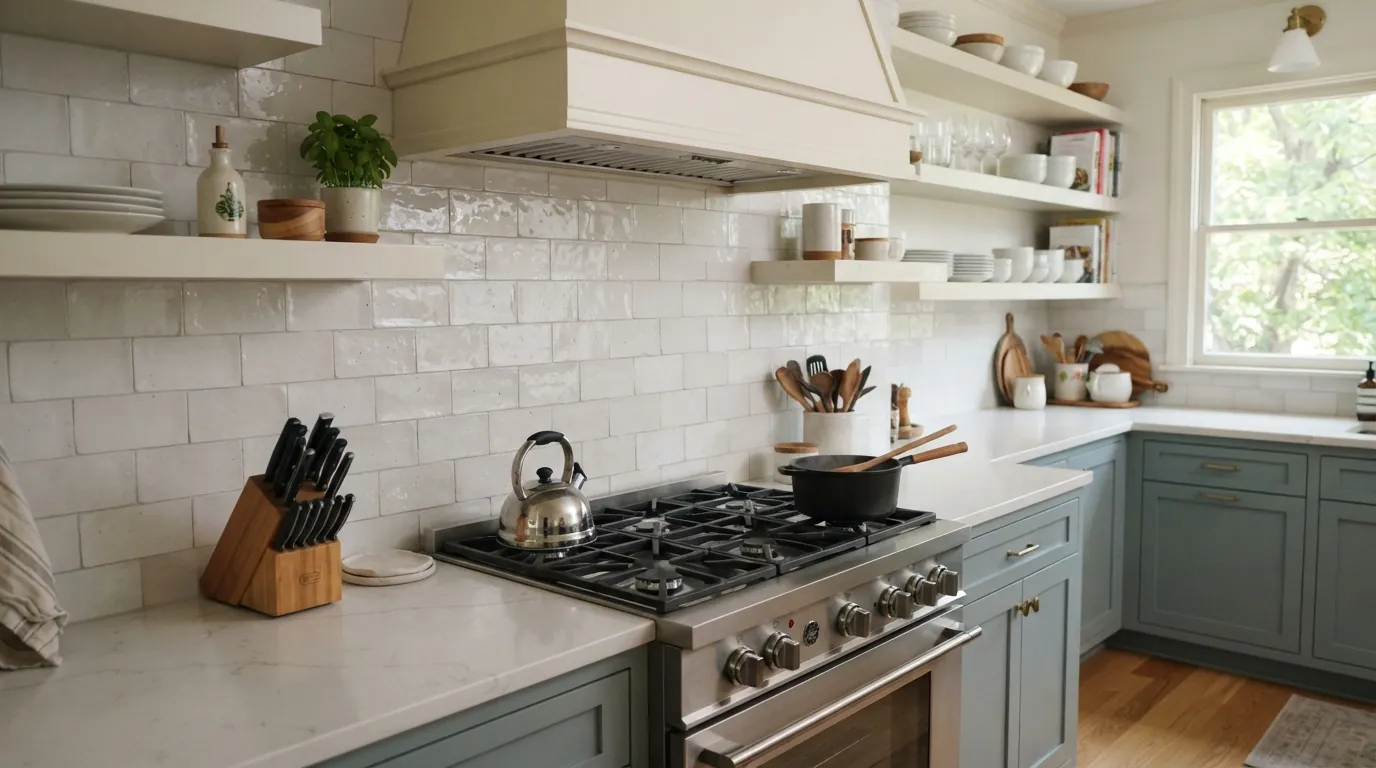
Step by step
How a tile job runs
- 1
Measure and plan
Area measured, tile chosen and layout drawn.
- 2
Prep the substrate
Old tile removed, floor stiffened or walls rebuilt.
- 3
Waterproof
Membranes and sealed seams in wet areas.
- 4
Set and grout
Tile set level with even joints, then grouted.
- 5
Seal and finish
Movement joints caulked, grout sealed, paint touched up.
Questions
Tile installation questions
Sometimes, if the old tile is flat and firmly bonded. Most bathrooms are better stripped to check what's underneath.
Usually the floor underneath is flexing. The fix starts with the subfloor, not the tile.
No. The membrane behind the tile does that job in showers.
Sanded for wide floor joints, unsanded for narrow wall joints, epoxy where you want the most stain resistance.
Yes. Walls around the new tile are touched up or repainted as part of the job.
Also in Remodeling
Related work from the same crews
- Hardwood floor refinishing in Atlanta
- Custom closets and built-in shelving in Atlanta
- Bathroom remodeling in Atlanta
- Kitchen remodeling in Atlanta
- Flooring installation in Atlanta
Before you book, read our hiring guide.
Plan the tile, then set it right
Tell us the room and the tile you have in mind, and we'll set up a visit to check the floor or walls.
Call (470) 887-8741Answered 24/7 from 565 Tift St SW Ste b, Atlanta.
Where we start from