Caulking and weatherproofing
Caulking and weatherproofing around Atlanta homes
Caulk is the cheapest part of a house and one of the most important. When it cracks, water gets behind siding, around windows and under tubs, and the damage costs far more than the caulk.
Calls answered 24/7. Crews staged from the Atlanta service office.
- Answered 24/7
- Old caulk removed, not covered
- Right sealant for each joint
Quick answer
Caulking in Atlanta is about keeping water out of joints that move. Old, cracked caulk is cut out rather than covered, joints are cleaned and dried, deep gaps get backer rod, and a sealant matched to the joint is applied: paintable exterior sealant for siding and trim, silicone for tubs and showers. Georgia's humidity and storms make failed caulk a leading cause of paint and wood failure.
Updated September 2026
The job
Why caulk fails and how we redo it
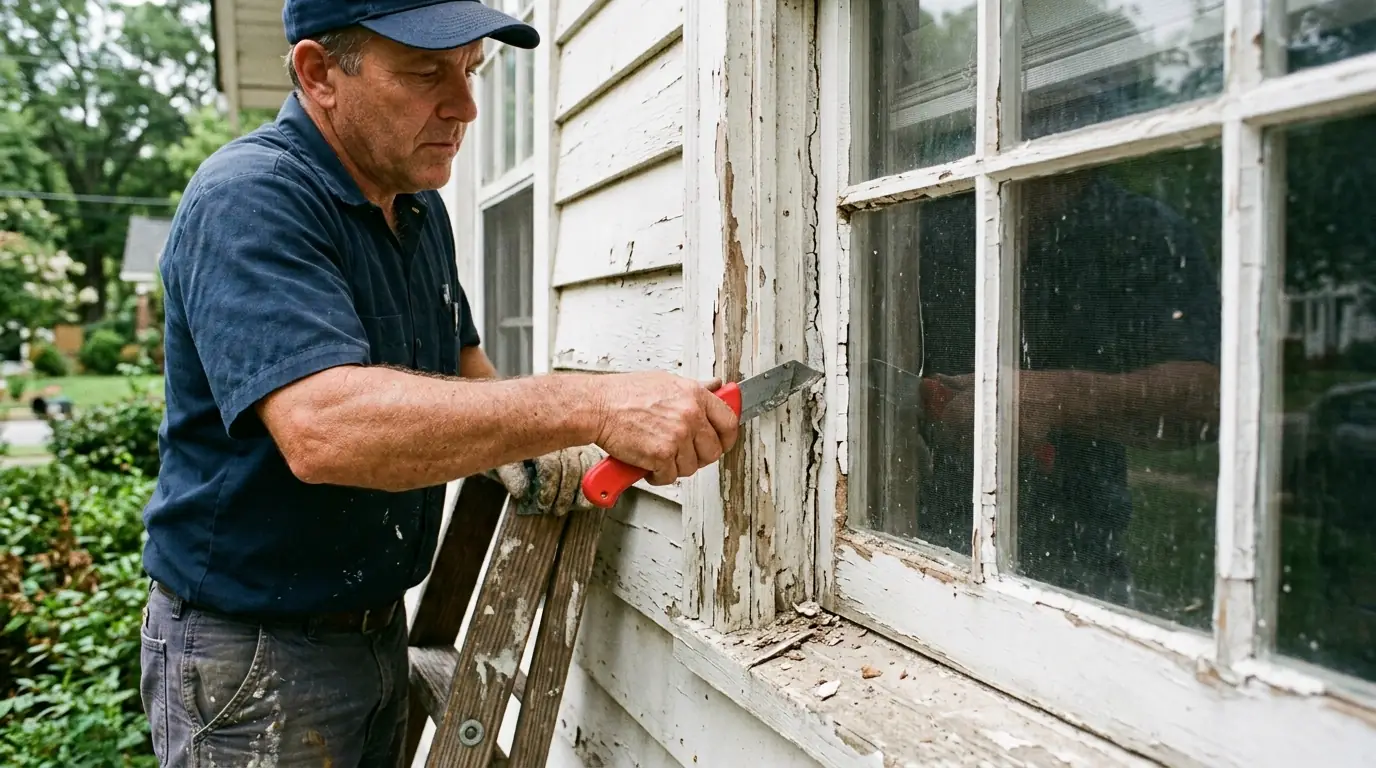
Caulk hardens, shrinks and pulls away as joints move through heat, cold and humidity. New caulk laid over old never bonds properly, so every job starts by removing what's there.
Exterior joints get a high-performance paintable sealant, bathroom joints a mildew-resistant silicone, and wide gaps get closed-cell backer rod so the bead can stretch instead of tearing.
Around Atlanta
Georgia weather is hard on caulk
Caulk joints on Georgia houses work hard. With humidity averaging over 70 percent, wood siding and trim swell and shrink with every swing, stretching the caulk until it cracks, and the south and west walls that take the hardest sun lose theirs first. Once a joint opens, moisture gets behind the painted surface and pushes the paint off from inside until the joint is sealed again, which is why we check caulk on every exterior we quote.
What we handle
Joints we seal
Window and door caulking
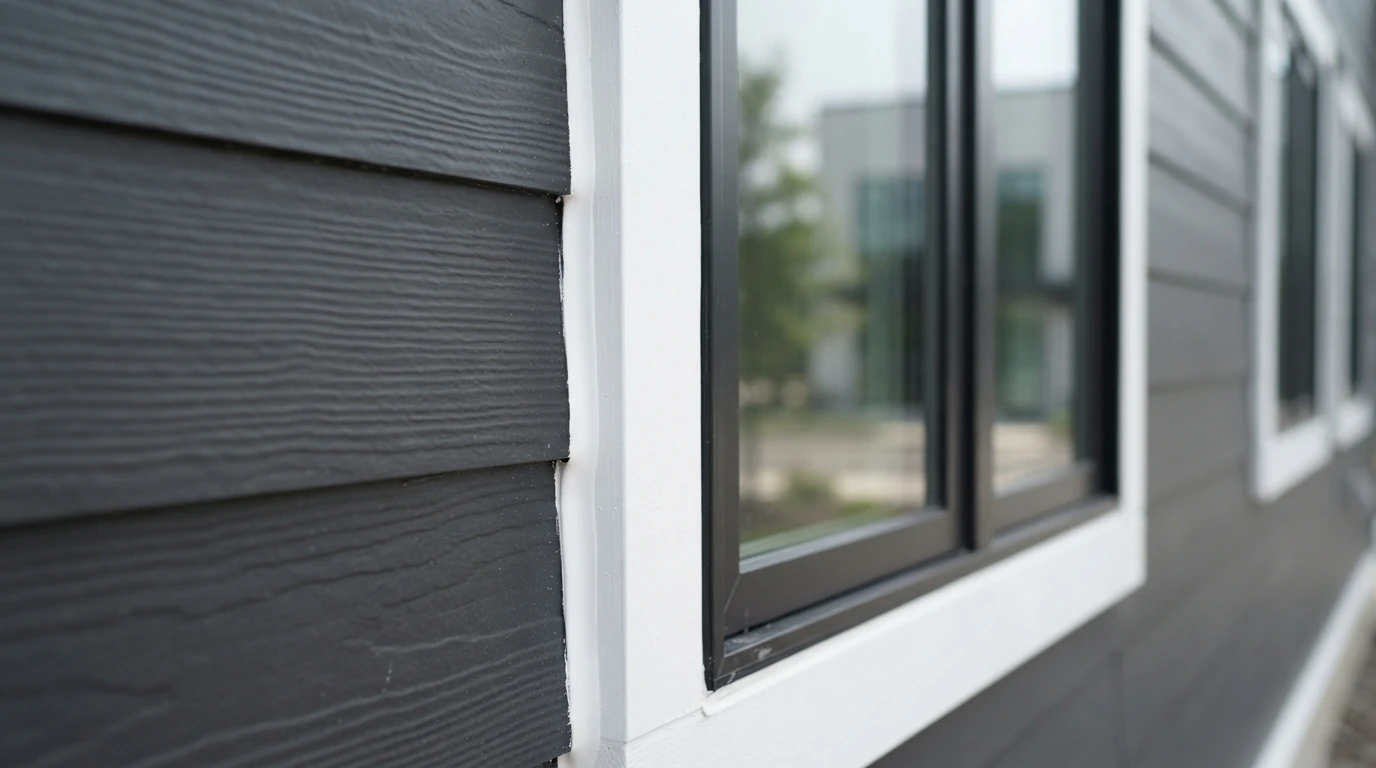
The joints where window and door frames meet siding or brick are the most common way water gets into walls. We cut out cracked caulk, clean and dry the joint, add backer rod where the gap is deep, and tool a new bead so it seals both sides. The head of the window, where water runs down from above, gets particular attention. Where caulk has failed because flashing is missing, we point that out, since sealant alone can't replace flashing.
Siding joint caulking
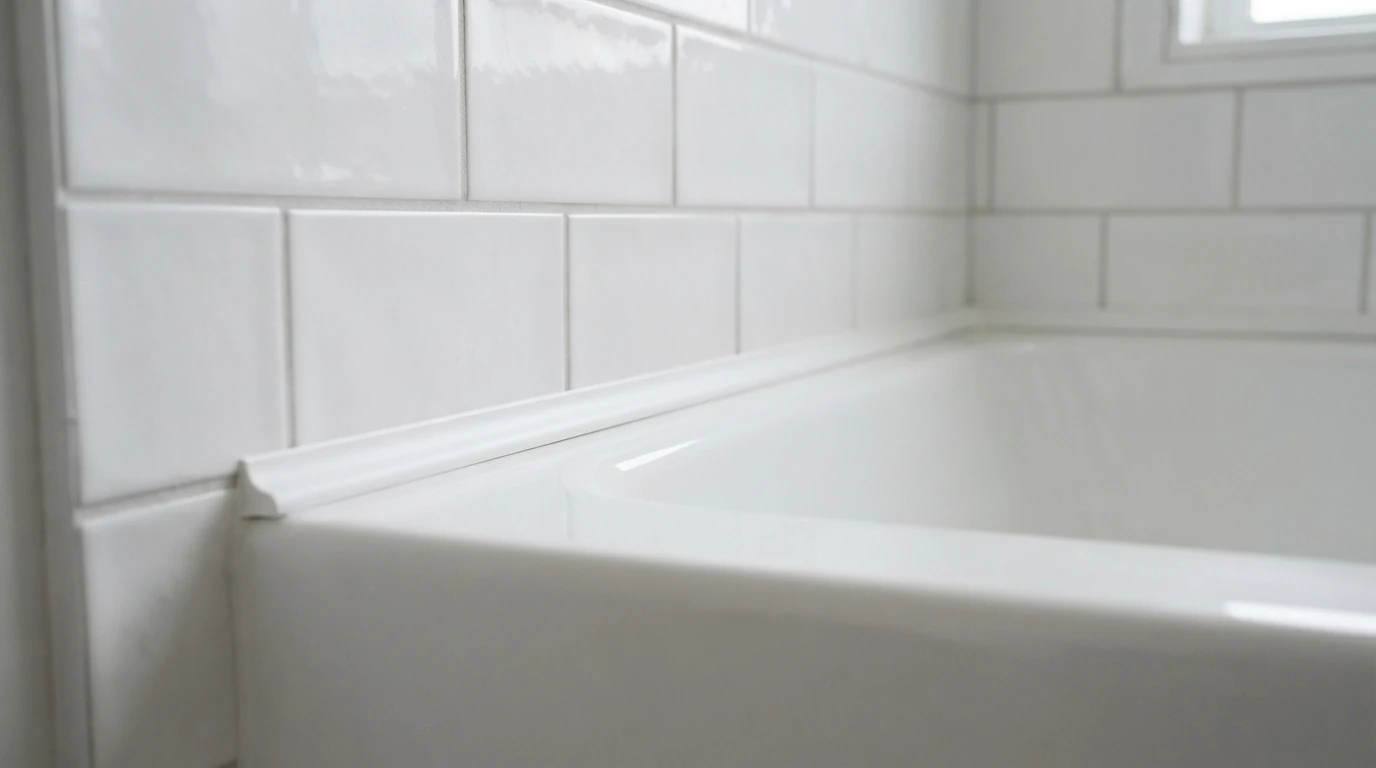
Butt joints in lap siding, gaps at corner boards and seams where siding meets trim all move with temperature and humidity. We remove failed caulk, prime bare wood, and reseal with a paintable exterior sealant that stays flexible. On fiber cement, we follow the maker's guidance on which joints get caulk and which should be left to drain. Caulking is usually done as part of an exterior repaint, but it can be scheduled on its own between repaints, which is often worth doing.
Tub and shower recaulking
Moldy, cracked or peeling caulk around a tub or shower lets water into the wall and floor behind it. We cut and scrape out every bit of the old caulk, clean the joint with a mildew treatment, let it dry completely and apply a fresh bead of mildew-resistant silicone. Filling a tub with water before caulking the tub-to-wall joint keeps the bead from pulling apart when the tub is used. Soft or loose tile behind the joint is a sign of deeper damage we'll point out.
Pipe, vent and utility gap sealing
Where pipes, dryer vents, AC lines, cables and hose bibs pass through the wall, gaps let in water, drafts and insects. We seal these penetrations with an exterior sealant or, for larger gaps, foam backer and sealant, keeping vents clear so they still work. Gaps under siding at the foundation and around exterior outlets get the same treatment. It is a small job that tightens up a house noticeably and removes easy entry points for pests. It pairs well with a window caulking visit.
Step by step
How a caulking job runs
- 1
Inspect
Every joint checked for cracks, gaps and failed adhesion.
- 2
Remove
Old caulk cut and scraped out completely.
- 3
Clean and dry
Joints cleaned, mildew treated, left to dry.
- 4
Seal
Backer rod where needed, then the right sealant, tooled smooth.
- 5
Paint or cure
Exterior caulk painted; bathroom silicone left to cure.
Warning signs
Signs your caulk has failed
- Cracks along the bead
The caulk has hardened and split.
- Caulk pulling away
A gap has opened between the bead and one surface.
- Paint peeling near joints
Water getting in behind the finish.
- Black mildew in tub caulk
Moisture trapped under or behind the bead.
- Drafts at windows or doors
Air moving through open joints.
- Stains inside under windows
Water entering around the frame.
- Insects around penetrations
Gaps at pipes and cables giving them a way in.
Do it yourself or call
Recaulking yourself vs having it done
Caulk is easy to buy and easy to get wrong. The usual problems:
| Step | Common DIY result | What we do |
|---|---|---|
| Old caulk | New bead laid over the old one | Old caulk removed completely |
| Sealant choice | Interior caulk used outdoors | Exterior sealant or silicone matched to the joint |
| Deep gaps | Filled solid, bead tears | Backer rod so the bead can flex |
What moves the price
What moves the price of caulking
- Linear feet of joints
More windows, doors and seams mean more sealant and time.
- Removal of old caulk
Hardened or many-layered caulk takes longer to cut out.
- Joint depth
Deep gaps need backer rod before sealant.
- Height and access
Upper-story windows need ladders or staging.
- Surface repair
Rotted wood at a joint is repaired before sealing.
- Painting after
Exterior caulk is usually painted to match.
Questions
Caulking questions
It doesn't bond well and fails quickly. We remove the old caulk first.
Check it every year or two; most joints need attention at each repaint.
Silicone for tubs and showers; paintable exterior sealant for siding and trim.
Mildew under the old bead wasn't removed, or the joint wasn't dry. We treat and dry it before resealing.
Sealing gaps at windows, doors and penetrations reduces drafts, which can help.
Also in Repair & Restoration
Related work from the same crews
- Crown molding and trim carpentry in Atlanta
- Drywall installation in Atlanta
- Window glazing and sash repair in Atlanta
- Deck repair in Atlanta
- Fire and smoke damage repainting in Atlanta
Before you book, read fixing peeling exterior paint.
Seal the gaps before the next storm
Tell us where you see cracked caulk or gaps, and we'll set up a time to check the house.
Call (470) 887-8741Answered 24/7 from 565 Tift St SW Ste b, Atlanta.
Where we start from